View All


 View All

 View All


 View All
 View All

 View All


 View All


 View All


 View All






Unfortunately, bullying is out of any Mama’s control. It happens all over the world — here’s how it differs in Asian versus Western cultures, and how parents can intervene to help.
Ask any Mama, and one of their greatest fears is finding out that their child is being bullied. The mere thought of it is incredibly heartbreaking! Unfortunately, its prevalence globally means it’s something children are likely to face at some point in life. So how does bullying differ in Asian versus Western cultures?
Read more: Bullying in Hong Kong: Tips to Prevent Your Kids from Becoming Victims

Deep diving into the nature of bullying
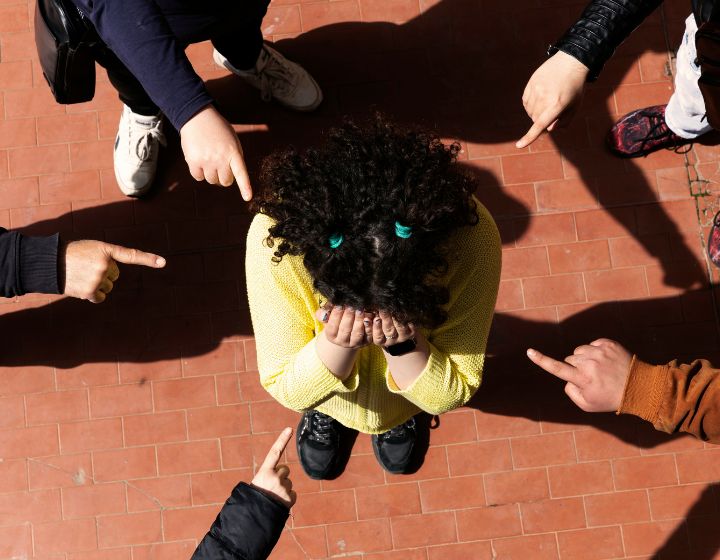
In Asian cultures, it would seem as if the type of bullying is of a collective nature. If you come from a girls’ school, you’ll be all too familiar with how cliquey everything is. This doesn’t just apply to females either; in boys’ or co-ed schools, the pressure to fit in is real. It’s really all about a strong group culture, and not doing anything to rock the boat — or risk being ostracised.
In Western cultures, however, this group mentality doesn’t seem to be as prominent. Instead, bullying is more of an individualised nature. This means that victims are often targeted by another individual, or sometimes, bullies act out as an indirect result of something negative that’s happening in another area of their lives.
Read more: Beyond “Beautiful”: 3 Practical Ways To Start Meaningful Conversations About Body Image
How does bullying manifest?
In Asian cultures, bullying often manifests indirectly, in the form of emotional turmoil that results from exclusion. This ostracisation can be crushing and even cause one to question their own self-worth, impacting their mental health.
Sometimes, victims can be affected by the spreading of savage rumours. It can also be in the form of silent treatment, when friends suddenly stop speaking to them without rhyme or reason. This bullying can be carried out by a dominant individual or a collective. Heartbreakingly, this may even drive the victims to take their own lives. Such cases have been reported in countries like Japan, Malaysia, and locally in Hong Kong.
Read more: Mental Health In Hong Kong: Let’s Talk About It
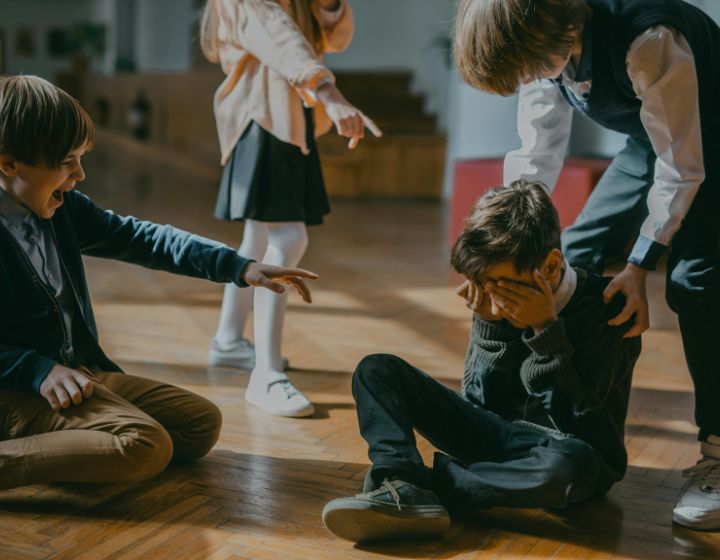
In Western cultures, however, bullying can be more evident in the form of physical aggression, or verbal taunts. Accounts of cyberbullying are common, with a 2022 report by Pew Research Centre finding that nearly half of teens in the US have been harassed online. Victims suffer attacks on their physical appearance, mannerisms or simply due to their family background.
In some cases, bullies take it further by taunting their victims in and outside of school, giving them derogatory nicknames that spread like wildfire among their peers. Suicides caused by bullying are also rampant here, as demonstrated by cases in Chicago, New Jersey and Indianapolis.
Read more: Learn Something New, Mamas: Understand Your Kids’ Fascination With Gaming

How can Mamas help?
Recognise the signs of bullying
If your child suddenly covers up their arms or legs, it may be worth investigating other random, unexplained injuries. Keep track of their belongings to see if any suddenly go missing. Victims may become more withdrawn or on edge. Reluctance to attend school is a red flag, along with frequent illnesses that pop up out of nowhere — these may well be your child making excuses to stay home.
Be their pillar of support
Bullying can be incredibly traumatic, and it’s often hard for victims to externalise their pain. Be patient and simply show up for your child. Show them that you’re there for them, talk to them and hopefully they’ll open up when they feel safe. It’s important to let them know their feelings are valid, and encourage them to ask for help from teachers or counsellors.
Use parental controls for mobile devices
This may be more relevant for the younger ones. Apps have parental settings that allow you to keep an eye on your child’s digital activity. Make use of them to keep inappropriate content at bay.
Read more: What You Can Do to Safeguard Your Child’s Social Media Influences