View All


 View All


 View All


 View All


 View All


 View All

 View All


 View All


 View All





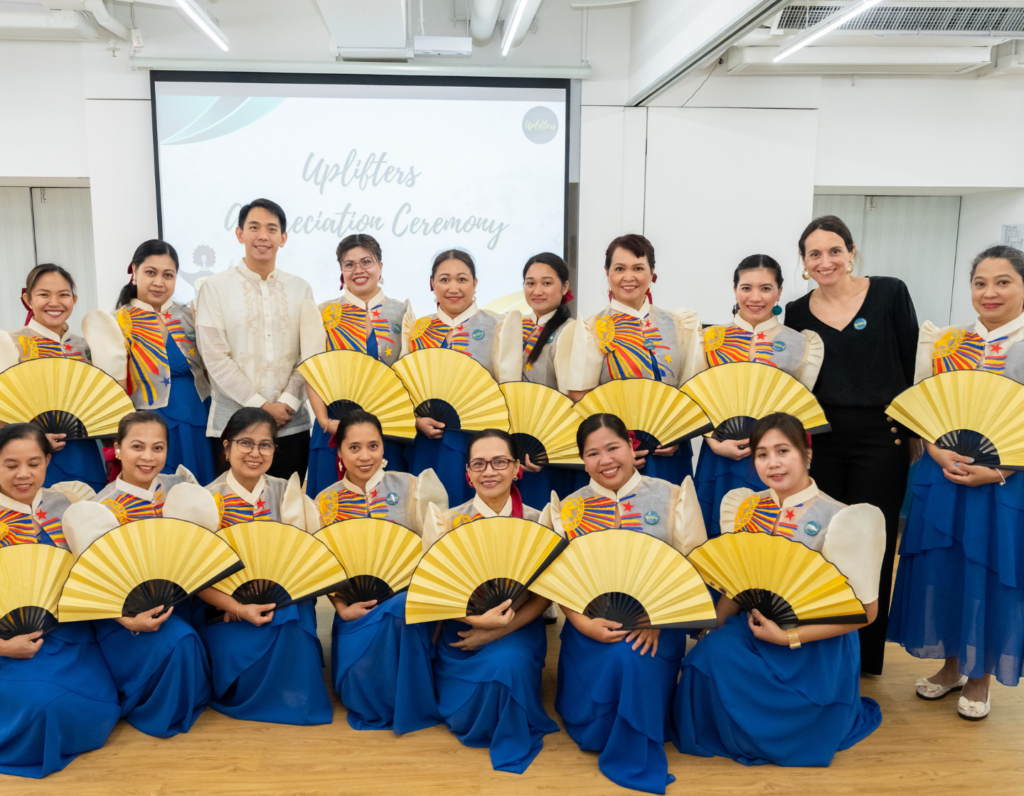
Ahead of International Women’s Day, while we celebrate achievements, it’s also crucial to scrutinise the real barriers holding back some of Hong Kong’s most essential women. One of them is financial literacy, and we spoke to two people addressing it: Marie Kretz Di Meglio of Uplifters and Avril Rodrigues of HELP for Domestic Workers
“I used to wake up in cold sweats from nightmares of pawnbrokers chasing me for money,” recalls Alona, a Filipino domestic helper who has worked in Hong Kong for more than a decade. She was recounting her experience at a recent panel discussion organised by HELP for Domestic Workers on financial literacy for helpers. Alona found herself in an impossible situation when a family emergency pushed her to borrow from a moneylender on Facebook. What followed was a harrowing ordeal of exorbitant interest rates she couldn’t keep up with, threatening calls and messages and sleepless nights wondering how she would repay.
Alona’s story is far from unique. Across Hong Kong, thousands of domestic workers find themselves in similar traps — and the root cause is often a lack of financial literacy. Meanwhile, Hong Kong has increased domestic helpers’ monthly minimum wage by 2.2% to HK$5,100 in September 2025, but a pay raise alone isn’t enough. For the city’s approximately 370,000 migrant domestic workers (as per the Legislative Council’s 2024 report), the vast majority of whom are women, a modest wage increase means little without the financial knowledge to make the most of their earnings.
Read More: Mental Health In Hong Kong – Let’s Talk About It
A Debt That Starts Before Day One
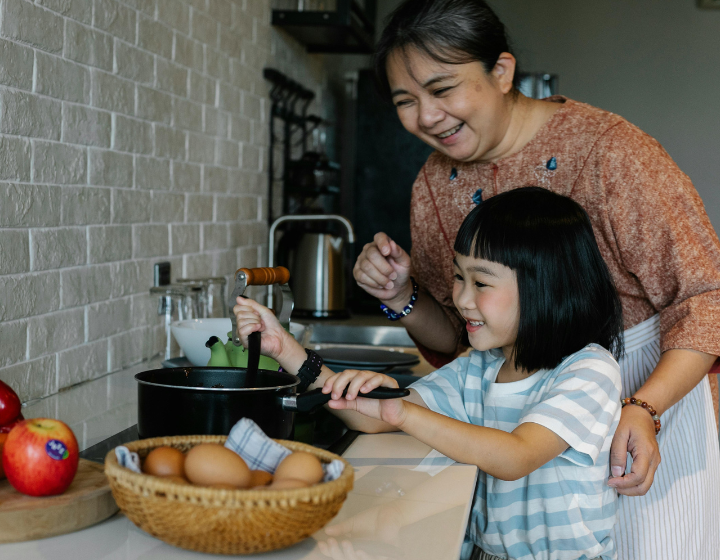
Many domestic workers arrive in Hong Kong already in debt, owing to steep recruitment and placement fees they are charged by agencies in their home countries. Their salaries — intended to support extended families across borders — are swallowed by agency repayments before they can think about saving. Many struggle to open a basic bank account. So if an emergency strikes (as it happened in Alona’s case), money lenders who charge exorbitant rates can feel like the only option.
That’s why, this International Women’s Day, we are choosing to highlight the structural inequalities that keep these women feeling trapped — and what is being done to dismantle them.
We spoke to two people at the forefront of this effort: Marie Kretz Di Meglio, founder of Uplifters, a community-led education platform for migrant domestic workers, and Avril Rodrigues, Head of Communications and Development at HELP for Domestic Workers, which provides legal support and advocacy to migrant workers. Their insights paint a sobering but ultimately hopeful picture.
Read More: Domestic Helpers In Hong Kong — Salary, Food Allowance, Contract Renewal And More

The Heavy Burden Of Financial Baggage
Marie says, “Domestic workers feel intense family pressure. Many of them are the main or sole breadwinners for extended families. Their salaries must cover rent, food, electricity, school fees, medical costs and emergencies back home. Even where the cost of living is lower, the needs are unlimited — and money is almost always tight. When wages simply don’t stretch far enough, borrowing can feel like the only option.
Living far from loved ones, with limited social networks, compounds the problem. “Guilt about leaving children and family behind can push them to prioritise family needs over their own financial safety,” Marie notes. “So when a crisis hits, fast and easy loans — even with hidden or exploitative terms — can appear to be a lifeline.”
The digital world has made things more dangerous still. Reflecting on cases like Alona’s, Avril says: “We’ve observed that scammers are getting more sophisticated by using fake loan apps, quick-returns investment traps and even identity theft to target this vulnerable community. Many workers arrive already burdened by recruitment debt, and when they lose their savings, it can push them into deeper debt cycles or even exploitative situations.”
The consequences, she stresses, ripple well beyond finances: “Financial instability isn’t just about numbers — it affects a worker’s confidence and mental health, increases stress and their ability to support their families back home. Without access to inclusive and practical financial education, they’re fighting an uneven battle in an increasingly digital world.”
Both organisations firmly reject the notion that this comes down to individual failing. As Marie puts it, “These challenges are not the result of poor judgment or lack of discipline. Financial decisions are made under stress, urgency and systemic constraints, in an environment saturated with illegal lenders, predatory online loan apps and scams.” Simply put, the odds stacked against them are too high.
Read more: 10 Practical Tips For Mums Without Helpers In Hong Kong

How Employers Can Be Part of the Solution
However dire the situation is, employers are in a position to help. They don’t need to be financial advisers to make a meaningful difference. Small, consistent acts of respect and support can be transformative.
“Providing a stable environment by paying salaries on time, respecting rest days and allowing access to WiFi so workers can participate in financial literacy classes creates the foundation for growth,” says Marie.
“When workers feel safe discussing financial concerns without fear of judgment, problems can be addressed early, before they escalate. At the same time, it is important to respect boundaries by allowing workers to manage their own income and financial decisions independently,” she adds.
Avril encourages employers to go a step further. “Employers can start by creating a judgment-free space for financial conversations — checking in regularly about their financial wellbeing, not just their work performance. Actively encourage and facilitate attendance at financial education workshops that cover both rights and responsibilities.”
And if things go wrong or if domestic helpers fall prey to scams or loan harassment, employers can act as allies, helping report incidents to the police and connecting workers to organisations like HELP that offer legal and casework support.
Read More: Going Back To Work After Having A Baby — Tips From A Hong Kong Mum
NGOs Stepping Up: Education That Actually Sticks
Financial literacy resources exist in abundance online, but access alone doesn’t equal change. What makes the difference is the approach, and the organisations working in this space have thought carefully about this.
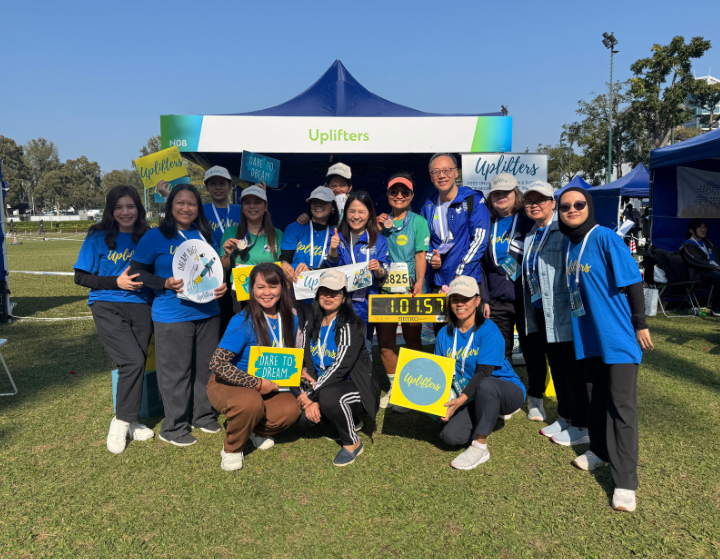
Uplifters provides free, community-led online education for migrant domestic workers in Hong Kong and Singapore, offering more than ten courses covering everything from financial stability and domestic work skills to health and personal growth. Since 2018, more than 10,000 domestic workers have enrolled in their programmes.
What sets Uplifters apart is its peer-to-peer model. “Trained domestic workers lead courses, guide discussions, and offer encouragement to their peers. This approach reduces stigma around seeking help, builds mutual trust and promotes mental wellbeing alongside practical financial education,” says Marie. Each new learner joins a small WhatsApp group led by a trained Uplifters alumna — a migrant domestic worker who has completed the course and a train-the-trainer programme — creating the kind of trust that traditional online learning can’t replicate.
The results speak for themselves: more than 45% of learners complete Uplifters’ core courses. Some 85% of participants say the course made a major or life-changing difference to their lives.
“After taking Uplifters’ course, I promised myself no more unnecessary loans, I will focus on building my emergency savings,” says Brenda T, a domestic worker who completed the programme.
The impact extends beyond finances. Participants find community and friendship — often for the first time since leaving home. “By supporting others, I learnt about myself, about my ability to listen and feel connected to others,” says Ani Musripah, an Uplifters team leader. “My Uplifters community became my friends. I realised I wasn’t alone,” adds Nelie Bautista, an Uplifters mentor.
Read More: Coaches In Hong Kong — Where To Find The Guidance You Need
What Hong Kong Owes Its Caregivers
The Tai Po fire of November 2025, which affected around 200 migrant domestic workers, served as a stark reminder of how much these women give to the city — often at great personal risk. Referring to it, Marie reminds us that empowering domestic workers financially is not charity. It is common sense and justice. She calls on Hong Kong to “foster a broader culture of empathy and inclusion that recognises domestic workers as essential members of our households and the city’s caregiving economy.”
Avril points to concrete steps that could make an immediate difference: “Banks can reach domestic workers in their languages — Tagalog, Bahasa Indonesia, South Asian languages — and on platforms they already use, like Facebook and WhatsApp. Government agencies should establish fast-track reporting channels for scam victims and streamline access to support services.”
Ultimately, building financial literacy among domestic workers is far more than telling individuals to manage their money better. It requires preventative financial education, trusted peer-led community support and a city willing to recognise and repay the care these women provide every day.
Read More: What Every Parent Needs To Know About AI Companions