View All


 View All

 View All
 View All

 View All

 View All


 View All
 View All
 View All

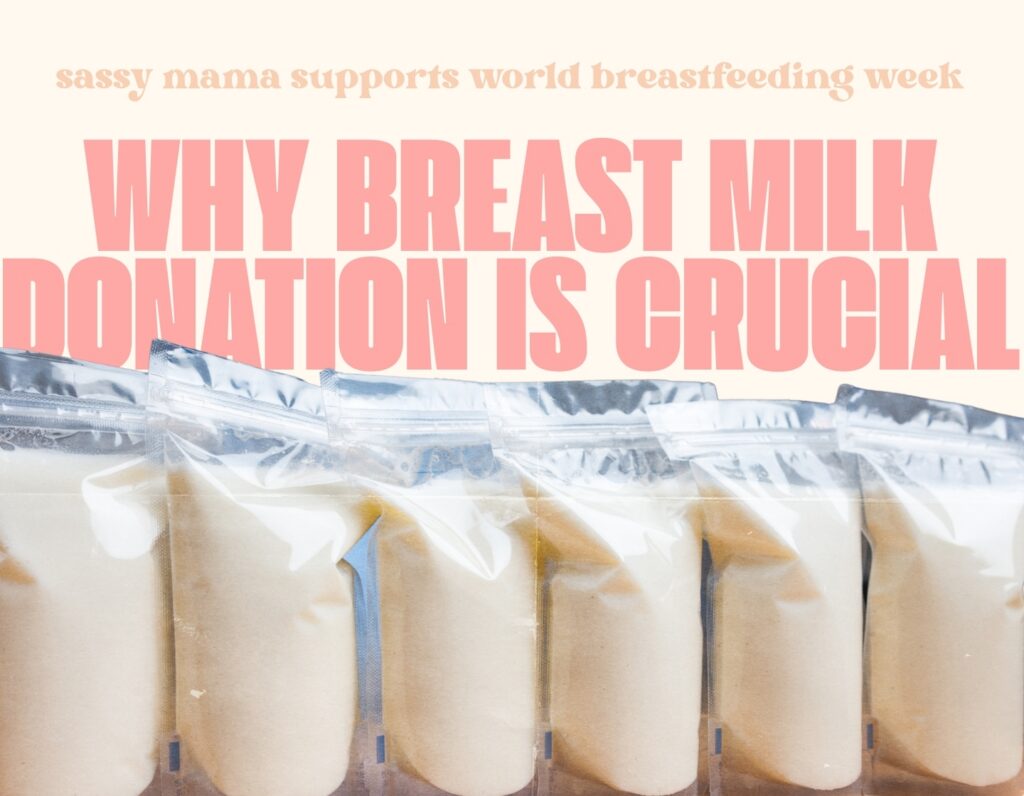
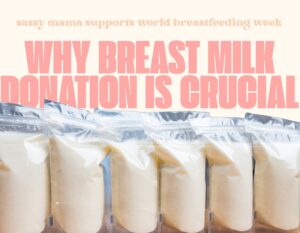
Milk sharing is as old as milk, but unless you’ve donated or received yourself, the process — from breast milk donation to storage — can be opaque. Find out why the Hong Kong Hospital Authority is embracing “milk as medicine” and hear from mothers on both sides of the story.
Human milk packs a punch nutritionally, is easily digested and contains immune factors that can protect babies — especially the most vulnerable ones — from life-threatening illness. And when mother’s milk isn’t available, donor milk is the recommended substitute, according to the World Health Organization (WHO). But as any mama knows, these simple infant feeding guidelines are just one part of an enormous web of parenting decisions — medical emergencies, family setup, work demands, tradition and mental health — and there are as many feeding experiences as there are families. Whether you’re stressing over supplementation or overfeeding your freezer, if you’re curious about breast milk donation, we’ve got answers for you.
Read More: Breastfeeding And Lactation Consultants In Hong Kong
Is there a system for milk sharing in Hong Kong?
Yes! In fact, there are two streams (so to speak) of milk sharing in the city.
Long-standing peer-to-peer networks connect donors and recipients, through personal relationships or social media; these networks are informal and totally unregulated, which can pose risks to both donors and recipients, but which allows them to connect more diverse families — like adoptive families, older babies and mums in town on work trips who can’t stand to pour that liquid gold down the hotel sink.
A Mama’s perspective: We adopted a six-month old baby through Mother’s Choice. She was formula-fed in her foster home. One of my friends who recently had a baby contacted me because she had a lot of extra milk. Prior to that I did not think that it would be possible for me to get breast milk for my babies. I did look up concerns about receiving donated breast milk. Since I knew the donor, it was a little bit safer because I knew she really cared about what she ate and took care of her body because of her own baby. I feel like my baby was able to receive more immune support that I would not be able to provide for her otherwise. — Tiffany, mum to three children through adoption, based out of Sai Kung.
Read More: Breast Pumps In Hong Kong — Youha, Medela And More, Which Is Right For You?
The Hospital Authority opens Hong Kong’s first formal milk bank
A parallel system emerged in late 2024 when the city established its first formal milk bank, named Hong Kong Breast Milk Bank (HKBMB) — a fast-tracked operation under the Hospital Authority that supplies neonatal intensive care units (NICUs) with pasteurised donor breast milk (PDBM), with the ultimate goal of feeding babies in the city’s nine NICUs exclusively with human milk.
Donations through HKBMB are reserved for vulnerable babies: those with low birth weight, preterm infants born at less than 32 weeks’ gestation and babies undergoing surgery or dealing with illness. For these infants, the risk of infections, necrotising enterocolitis and long-term developmental challenges is higher, making the protective effect of human milk more critical, says Christine Lam, an Advanced Practice Nurse at HKBMB. For the Hospital Authority, investing in a donor milk bank is a no-brainer against the costs of long-term neonatal care.
A Mama’s Perspective: It was September 2025 and I had complications while giving natural birth. It was a pretty serious complication and my baby wasn’t breathing when she came out. [A] doctor performed CPR on her and rushed her to NICU, and she stayed there for a month. After two days, I started breast milk pumping and was mixing my own and donor milk. NICU did the mixing and feeding. The entire month in NICU, my little one had a mix of donor milk and my breast milk everyday. — Emma*, mum to a healthy 10-month-old girl, living in Wanchai.
*Name changed for privacy reason
Read More: Where To Buy Maternity And Nursing Bras In Hong Kong
Is milk sharing safe?
While donor milk has well-established health benefits, it also carries some risk. Milk is made from our blood and can expose babies to blood-borne illnesses like HIV and hepatitis. If breast milk is expressed and stored improperly, it can introduce bacteria from hands, pumps and bottles.
It’s hard to manage these risks in a peer-to-peer setting. Many times, the risk assessment comes down to trust. Accepting milk from a donor you know well, or from someone in a trusted community, can be reassuring. Families using donor milk from informal networks can further reduce risk by flash-heating the milk at home.
HKBMB follows strict procedures to minimise risk during breast milk donation, including donor screening (interviews and blood tests), cold-chain courier pickup and storage, pasteurisation and pre- and post-pasteurisation microbial testing. Each bottle or bag contains milk from a single donor and is tracked from donor all the way to recipient.
When to turn to breast milk donation in Hong Kong?
Tamara, a La Leche League Leader in Hong Kong, cautions against turning to donor milk as a first response to low supply: “It’s important to address why the mother’s own milk supply isn’t sufficient. Rigid feeding schedules, insufficient feeding frequency or incorrect latch are often the culprits, and can be addressed before resorting to donors. Make an appointment with a lactation consultant and discuss your concerns first.”
But donor milk itself is hard to come by. If you’re unable to breastfeed and your baby hasn’t been prescribed PDBM in a public hospital, direct donation from someone you know, or peer networks like Human Milk 4 Human Babies and Hong Kong Breastfeeding, are your best bet (full list below).
A Mama’s Perspective: I was committed to breastfeed until my baby turned two, but I went back to work at six months, I saw my supply decrease. And it hit me really emotionally because I really wanted to hit that milestone with the only child I was ever going to have. I could have turned to formula but I had this emotional attachment to staying on breast milk and also a deep belief in the superiority, healthwise, of breast milk. Being part of this community leaves me feeling grateful and honoured. In my wildest dreams, I would have loved to be someone who produced enough milk to donate to someone else. — Nissa, Canadian mum to an 8-year-old living in Mui Wo.
Read More: Hong Kong Public And Private Hospitals — Where To Go In An Emergency
Thinking about donating breast milk in Hong Kong?
Prospective donors have a lot to consider. Where will your milk end up? Will it be handled responsibly? Are you comfortable with milk donation from a cultural or religious perspective? Do you have the time and energy to pump extra milk? Do you produce enough milk to reliably meet your baby’s demands?
Think ahead, advises Lam. Collecting and storing excess milk carefully can make the difference between leftover milk going to waste and going to feed a child in need. And because milk composition changes subtly over time, excess milk from a new mother is especially well suited to a preterm recipient like the ones HKBMB serves.
A Mama’s Perspective: With both her babies, my sister really struggled with milk supply, and I saw what a challenge that was. She eventually got milk from a friend, and as her own supply came in stronger, that supplemental milk really helped her through her breastfeeding journey. So I felt passionate about being able to help someone the way my sister was helped. When you’re breastfeeding, you never know how much your baby is getting, and that can fill you with doubt. But Danny is my second baby, and I knew he was growing well and getting enough milk, so I never felt concerned that I was giving away milk he needed. I always felt passionate about the cause and that helped me stay dedicated to it. — Giuli, a working mum of two, based in Sai Kung.
Read More: Where To Find Counsellors, Psychologists And Therapists In Hong Kong
Hong Kong breast milk donation and breastfeeding resources
- Hong Kong Breast Milk Bank – Collecting and handling breast milk donations for hospitalised newborns under the Hospital Authority. www31.ha.org.hk/hkch/SupportUs/HKBMB
- La Leche League Hong Kong – Free breastfeeding support provided by accredited volunteers, for anyone feeding or wanting to feed human milk to their child. www.lll-hk.org
- Family Health Service – Guide to breastfeeding support and information available from Hong Kong’s Department of Health. www.fhs.gov.hk/english/breastfeeding
- Human Milk 4 Human Babies Hong Kong – Informal milk-sharing network where donors and recipients can meet. www.facebook.com/HM4HBHongKong
- Hong Kong Breastfeeding – Women only – Facebook community where mothers can meet and find support www.facebook.com/groups/1480340502264931
- Academy of Breastfeeding Medicine – Milk storage protocol abm.memberclicks.net/assets/DOCUMENTS/PROTOCOLS/8-human-milk-storage-protocol-english.pdf