View All


 View All


 View All


 View All


 View All

 View All
 View All


 View All

 View All





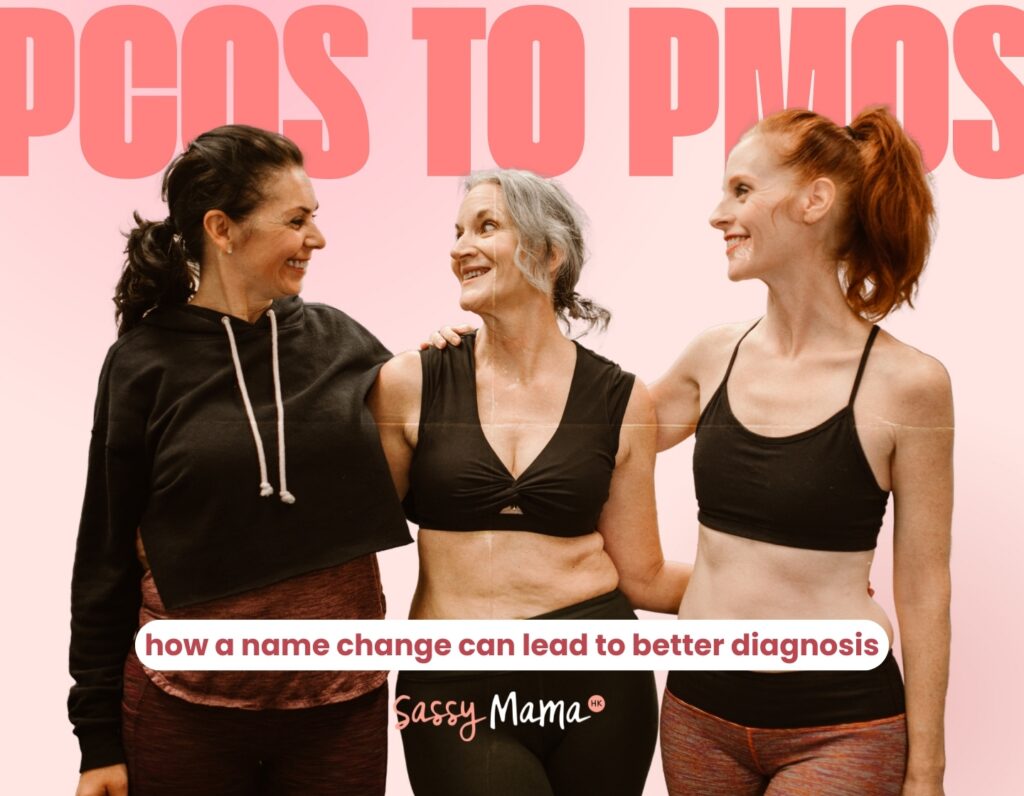
Polycystic Ovary Syndrome (PCOS), which affects 1 in 10 women of reproductive age, is now called Polyendocrine Metabolic Ovarian Syndrome (PMOS). Dr Sze-Man Wong explains why this name change carries so much weight.
As anyone who’s been diagnosed with Polycystic Ovary Syndrome (PCOS) will tell you, the condition is about so much more than the ovaries. It can affect one’s weight, skin, mood, energy levels, our relationship with food and, generally speaking, cause health issues that go beyond ovaries. But its name always suggested otherwise.
Last week, on Tuesday, 12 May 2026, it was announced on that a global consensus had been reached to rename the condition to Polyendocrine Metabolic Ovarian Syndrome (PMOS). The new name was developed with input from more than 14,300 people worldwide, spread across 56 academic, clinical and patient organisations. The renaming was the result of a 14-year consensus process led by researchers at Monash University in Australia.
Read More: Postnatal Depression — How To Detect Symptoms And Find Solutions
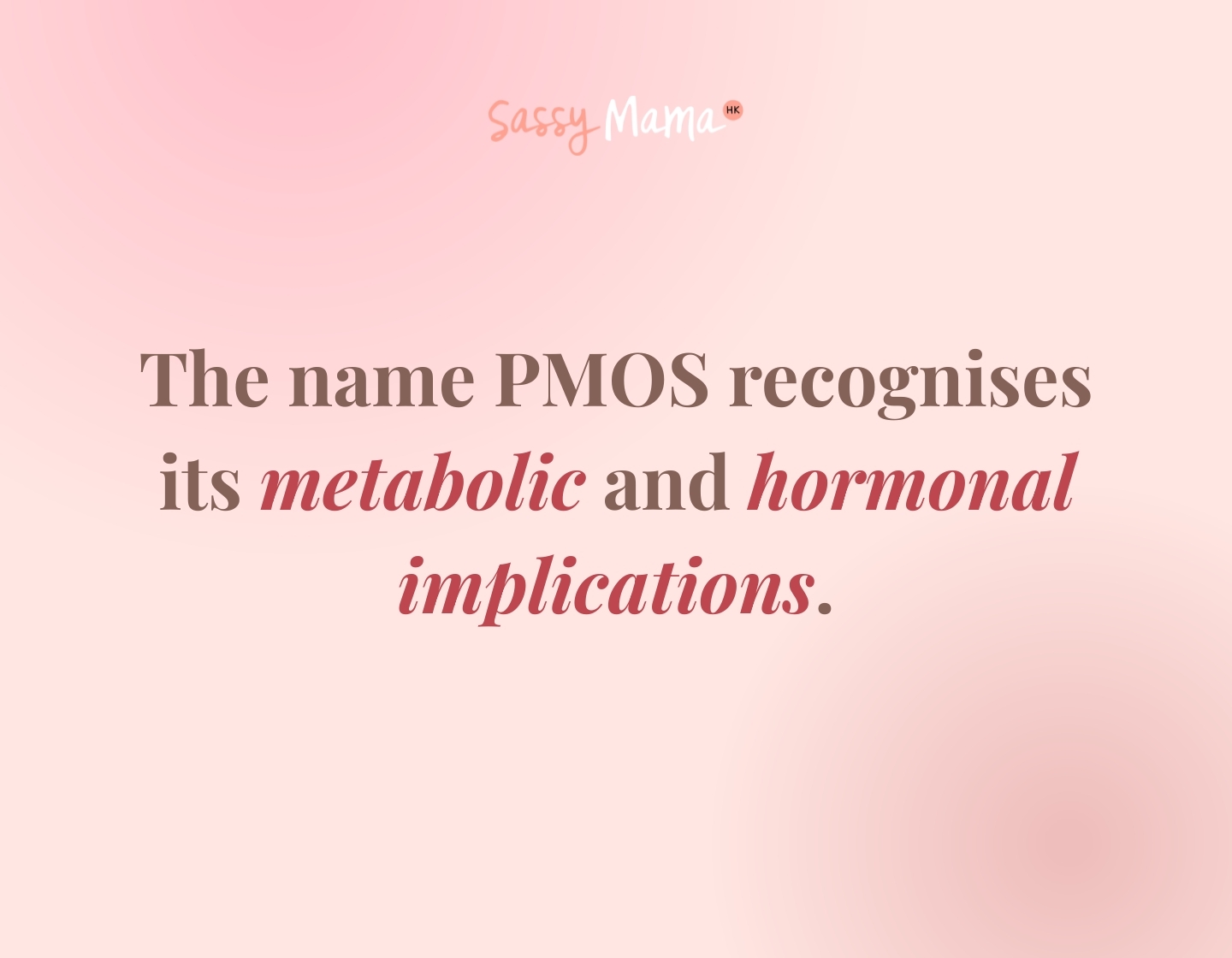
It’s a change that many patients and doctors have welcomed with open arms. We spoke to general practitioner Dr Sze-Man Wong to better understand if the name change could possibly lead to improved diagnosis and care. She says, “ The new term PMOS helps doctors and patients to prioritise a global treatment rather than a focus on the term ‘polycystic ovary’. The original term PCOS was misleading, as the condition involves far more than just the reproductive system. While the treatment remains similar, this shift of terminology will help to destigmatise the condition by recognising its metabolic and hormonal implications.”
Read More: Practical Period Advice To Share With Your Teenage Daughters
When a condition is named after one organ, conversations can stay narrow, and patients can sometimes feel like only a part of their total experience has been heard. “A name that reflects the full picture changes that dynamic,” says Dr Wong, “It encourages doctors to think broadly from the very first consultation.”
So for anyone who has spent years trying to explain why their “ovary condition” is also affecting their mental health, their metabolism or their sense of self, having a name that finally reflects that reality is no small thing. PMOS is a step towards more honest, more inclusive and more complete healthcare, and it’s been long overdue. Especially for mums who are managing this condition while raising a family, a diagnosis that finally reflects their full experience could be genuinely life changing.
Read More: Top Nutritionists In Hong Kong To Feel Good Inside Out