View All

 View All


 View All

 View All
 View All

 View All


 View All


 View All
 View All





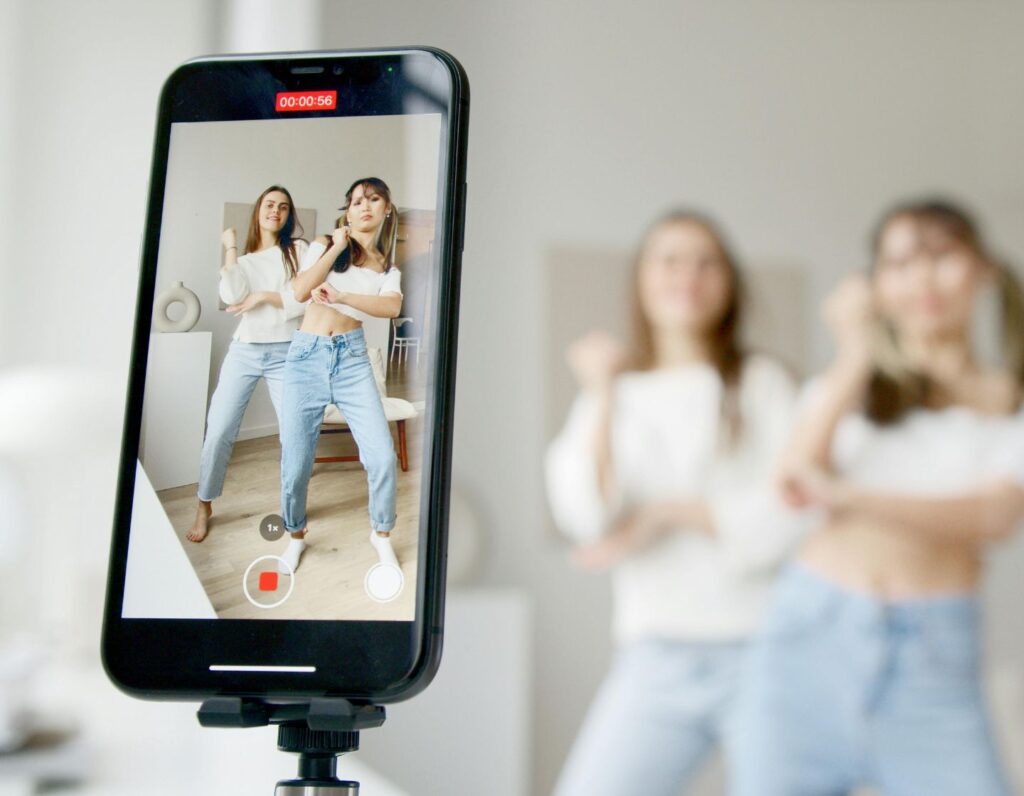
Photos and videos are every influencer’s bread and butter. However, what if you don’t want your child to be part of it? Here’s how you can protect your kid’s privacy.
Influencers are everywhere these days, in every walk of life. In recent years, ‘momfluencers’ have become increasingly common — parents who regularly feature their children on social media. But what do you do if there’s a kid in your child’s class whose mum is an influencer and you don’t want your kid’s face ending up on their platforms?
Read More: Going Back To Work After Having A Baby: Tips From A Hong Kong Mum
Set appropriate boundaries
It’s completely normal to want your child to have a normal school life — without snippets of it being constantly documented on social media. Especially if it’s by someone else! First, have a chat with the principal to find out more about the school policies regarding photo-taking and filming within the school premises. If you’re uncomfortable, feel free to ask if content collection can be prohibited during school and field trips, unless permission is granted.
Read more: Screen Time for Kids: Top Apps and Sites to Manage Your Child’s Digital Footprint
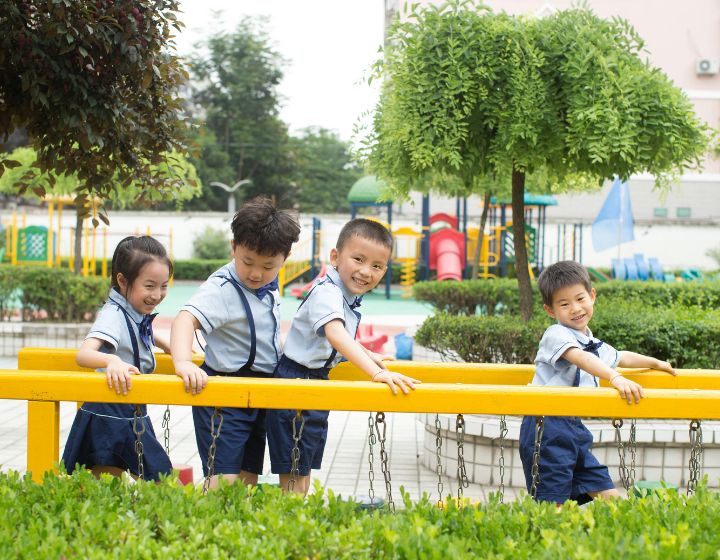
Ask for your child’s privacy
Not everyone will like pictures or videos of their kid broadcast to hundreds of thousands (or even millions!) of strangers. Go ahead and privately message the influencer, or initiate a little coffee chat, to request for her to get permission before posting anything related to other children. Many influencers are happy to put stickers or blur out other kids’ faces — it just might not occur to them right from the get-go. Really, all you have to do is ask.
Read more: What You Can Do to Safeguard Your Child’s Social Media Influences
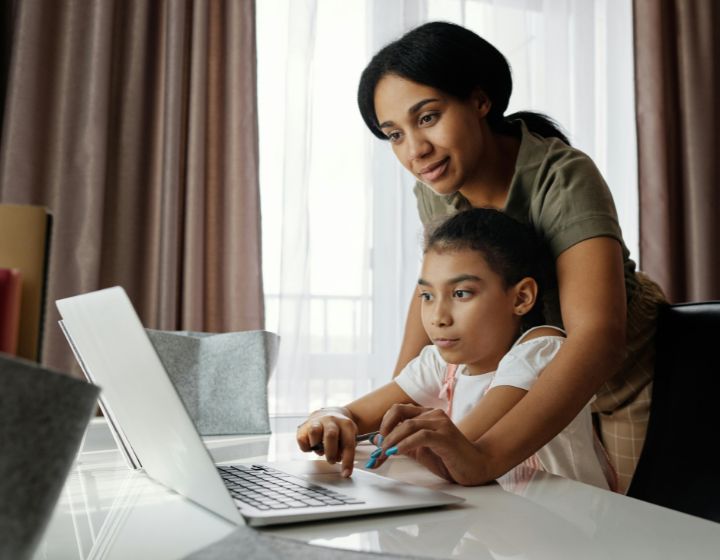
Take the chance to educate your child
Fact is: many children might not even understand what influencers are, or what they do. This is the golden opportunity to teach them about digital literacy and internet safety, as well as how they can use the information found on the internet ethically. Show them how to think critically, and how not to take everything they see at face value.
Credibility is key; plus, you can even seize the chance to introduce the concept of online scams to them. One important lesson is that they should never share any personal information in the digital space.
Sassy Tip: One of our favourite games to play would be to show the children two pictures, one of which is created by AI. You can then proceed to ask them what’s real, and what’s not! This potentially creates a good platform for them to realise that some realistic pictures might, in fact, be digitally engineered.
Read more: Be a Good Digital Citizen: Follow this Eight-Step Plan to Teaching Kids Internet Safety
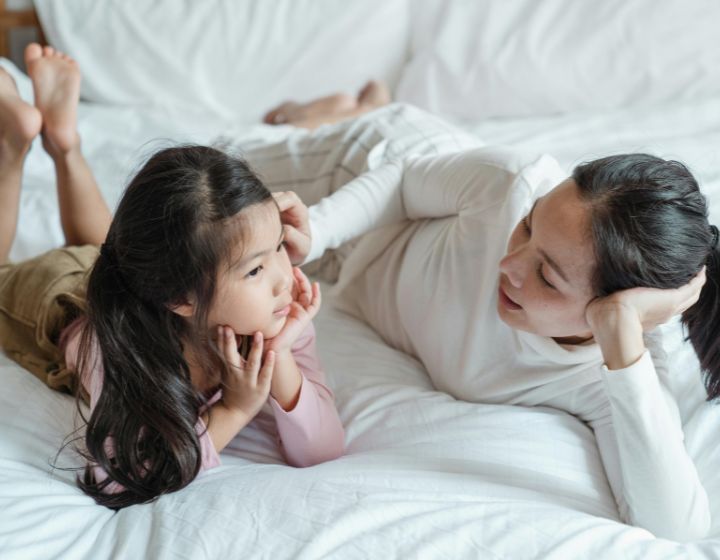
Have an open conversation with your child
This could also be a good chance to find out how your child feels about the whole situation. A good question to ask would be how they would feel if someone posted a photo or video of them without asking them first. Gently remind them to speak up or ask one of their teachers for help, if they’re ever put in an uncomfortable situation.
Read more: How to Talk to Kids About World Events & Scary News

Lead by example
Children of this day and age have an inextricable relationship with the digital world. If you can’t fight it, embrace it. It’s on us mamas to model positive online behaviour, and teach our children how to act. You got this, mamas!
Read more: Distracted Parents In The Age of Screens: How to Model Phone Behaviours for Kids